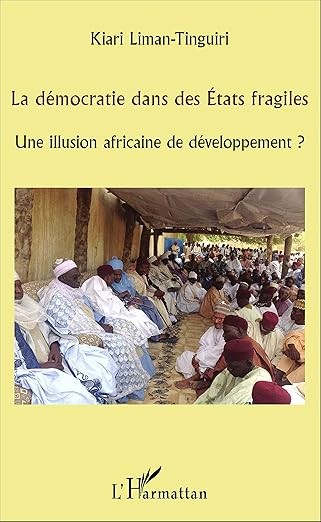
Sub-Saharan Africa reopened its political space in the 1980s and 1990s through National Conferences and pluralist elections. Transfers of power have grown more frequent and presidents-for-life rarer — yet, once elected, African presidents tend to govern as 'chiefs' rather than as heads of state, often for want of a functioning state at all. A clear-eyed essay on democracy, fragility, and development.
To advance equitable governance, effective institutions, resilience, and economic transformation in West Africa and the Sahel through independent research, capacity development, policy dialogue, advocacy, and strategic partnerships.
Vision
WASDI envisions a peaceful, prosperous, and self-determined Sahel in which political and economic elites choose development, institutions serve the public interest, and inclusive economic growth drives lasting structural transformation.
Core Values
Rigor. Independence. Equity. Inclusive Institutions. Leadership for Results.
Regional Integration in West Africa: The Fragility of Practical Pan-Africanism
Why so many regional institutions produce so little effective integration in West Africa: state fragility — legitimacy, authority, capacity, and the rule of law — as the explanatory variable, and the shift from institutional Pan-Africanism to a regionalism of results.
GDP, the informal sector, human development and the growth elasticity of poverty: why, in the Sahel, fighting poverty is not a minimalist conception of development but its most demanding definition.